Asia closes down with Samsung under pressure and interest rates on the radar; Nikkei clashes
Samsung falls 4.1% even after strong balance sheet, and investors evaluate the terms of the shareholder return policy; Nikkei goes against the grain.
BY THE X-TRADER NEWS NEWSROOM · REPORTING FROM MONEY TIMES · 2 MIN
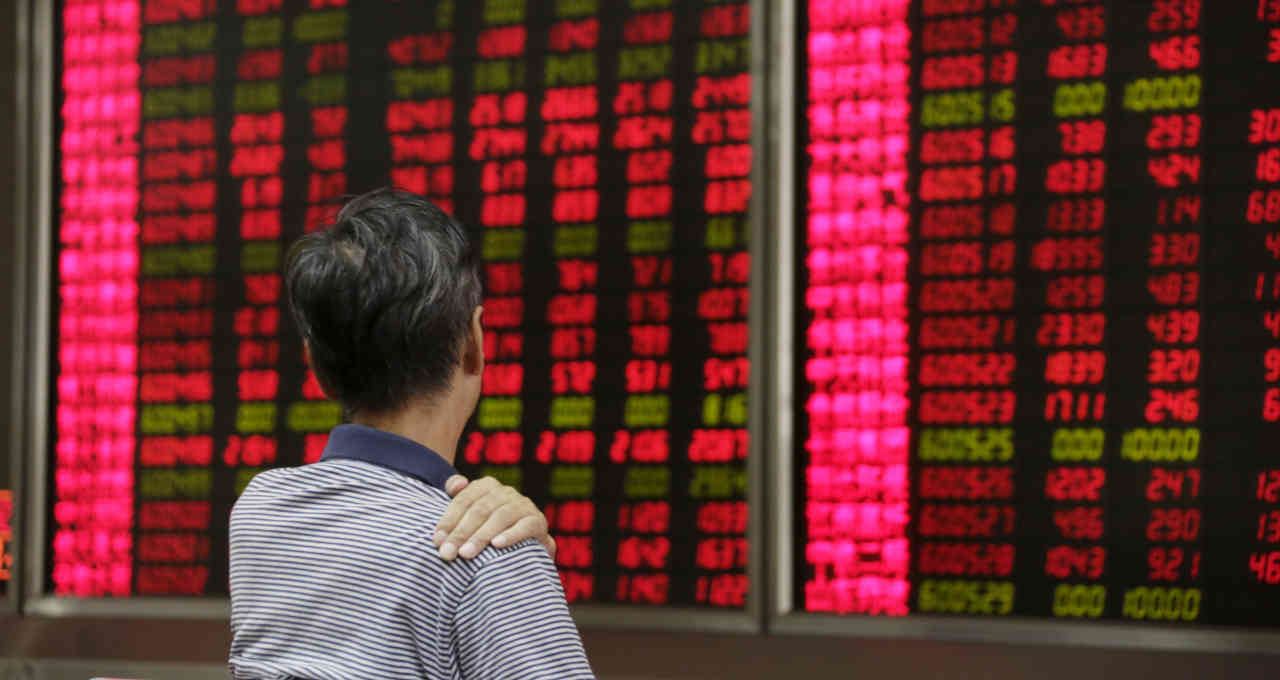
Asian stock markets closed mostly lower on Thursday (29), in a session in which investors divided their attention between corporate balance sheets and the Fed's interest rate decision, the American central bank. According to Money Times, the Nikkei was the exception and was out of line with the downward movement, although the text does not inform its value or variation.
In Seoul, the Kospi fell 1.24% and closed at 5,937.66 points. The main negative weight came from Samsung Electronics, which lost 4.1% even after publishing a strong quarterly balance sheet. According to Money Times, the sale reflects investor frustration with the terms of the company's shareholder return policy.
In the same market, SK Hynix went in the opposite direction and rose 2.6%, after rising 10.9% in the previous session, when its numbers came in higher than expected. The divergence between the two companies shows that the market does not react uniformly to results, even within the same sector.
In Hong Kong, the Hang Seng fell 0.59%, to 22,958.65 points. In Taiwan, Taiex lost 1.42% and ended at 46,368.33 points. The two indices followed the predominant drop in the region, each with different intensity.
The backdrop combines two themes that usually weigh on risk appetite: the earnings season, which separates results that please from those that disappoint, and American interest rate policy, whose decisions have repercussions on currencies, capital flows and asset prices around the world.
What changes for the investor
For those who follow Nasdaq, interest rates and the dollar, the episode shows that a strong balance sheet does not guarantee a positive reaction when the shareholder return policy disappoints. It also reinforces that the Fed's decision remains a risk variable for Asia and emerging markets, as the cost of money in the United States changes the flow to risky assets. This article does not provide a recommendation to buy or sell: the reading is that, at this moment, the performance of each share largely depends on shareholder remuneration and signals coming from the Fed.
Automatically translated from Portuguese.